
Tired of wondering where your money goes each month? I was there staring at my bank account, confused how $2,000 vanished by the 15th. Zero-based budgeting changed everything. Every dollar gets assigned a job before you spend, leaving $0 unallocated. It is not restriction; it is control. This step-by-step guide delivers a working system that saved me $780 my first month. Ready to make every dollar work for you?
What IS Zero-Based Budgeting (Simple Breakdown)
Traditional budgets say “do not spend over $500 on groceries.” Zero-based says “$400 groceries, $100 savings, $50 fun = $550 total groceries category = $0 left.”
The Magic: Income – All Expenses = $0. Every penny has purpose needs first, wants second, savings/debt third.
Real Example: $3,500 monthly income → $1,800 rent, $400 groceries, $300 car, $200 savings, $150 date nights, $650 debt = $3,500. Done.
No money left “floating” to blow impulsively.
Step 1: Calculate Your TRUE Income
Not wishful thinking real numbers only.
Weekly earners: Last 4 paychecks ÷ 4 = monthly average
Salaried: Gross pay (pre-tax)
Freelancers: Last 3 months average + 20% buffer
My Mistake: Used “best month” ($4,200). Reality: $3,200.
Fix: Track 90 days → Use conservative number.
Pro Tool: Free Google Sheet template (link in resources) auto-calculates.
2026 Reality: Inflation means buffer 10% under actual earnings.
Action: Write your number now: $
Step 2: List ALL Fixed Expenses (Non-Negotiables)
These do not change monthly. Pull bank statements.
Essential Categories:
Rent/Mortgage: $______
Utilities: $______
Internet/Phone: $______
Insurance: $______
Minimum Debt Payments: $______
Subscriptions: $______
My Wake-Up: Netflix + Spotify + Gym + News = $85 “forgotten fixed.”
Average household: $1,800-2,200 fixed.
Tip: Call providers my Comcast dropped $22 just asking.
Total Fixed: $
Step 3: Allocate Variable Spending (The Flexible Stuff)
Give every dollar a job, even “fun” money.
Core Variables:
Groceries: $____ (realistic, not diet dreams)
Gas/Transport: $____
Eating Out: $____ (be honest)
Entertainment: $____
Clothing: $____
Household: $____
Zero-Based Rule: If $450 groceries budget but you spend $380 → move $70 to debt/savings. No “extra” cash.
My First Month:
Budgeted: $450 groceries → Spent: $390
$60 auto-moved to emergency fund. Game-changer.
Step 4: Prioritize Financial Goals (Future You Wins)
This separates zero-based from “regular” budgeting.
Three Buckets (Pick amounts):
- Emergency Fund: $100-200/mo until 3-6 months expenses
- Debt Snowball: Smallest balance first ($150/mo)
- Sinking Funds: Vacation ($50), Car repair ($75), Christmas ($60)
2026 Priority: Inflation hedge → Extra to savings first.
Total Goals: $
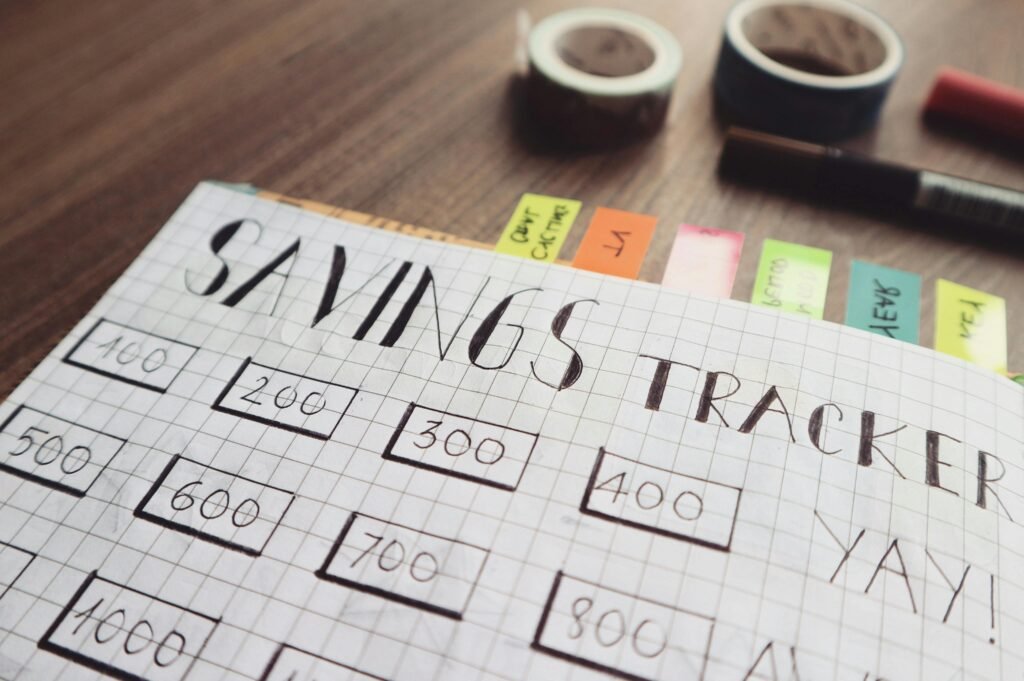
Step 5: The Zero-Out Math (Every Dollar Assigned)
Income:           $3,500
Fixed:          -$1,950  (Balance: $1,550)
Variables:      -$1,050  (Balance: $500)
Goals:          -$500    (Balance: $0 )
Every month starts identical. Adjust variables if goals grow.
Sample Zero-Based Budget ($4,000 Income)
| Category | Budgeted | Actual | Rolling Balance |
|---|---|---|---|
| Income | $4,000 | $4,000 | |
| Rent | $1,600 | $1,600 | $2,400 |
| Utilities | $220 | $198 | $2,622 |
| Groceries | $550 | $510 | $2,662 |
| Gas | $200 | $180 | $2,882 |
| Eating Out | $120 | $95 | $2,907 |
| Debt | $450 | $450 | $2,457 |
| Emergency | $200 | $200 | $2,257 |
| Vacation | $100 | $100 | $2,157 |
| Fun | $150 | $125 | $2,032 |
| Savings | $968 | $968 | $0 |
Total Assigned: $4,000 → Perfect zero balance.
Step 6: Weekly Check-Ins (15 Minutes Max)
Sunday night ritual:
- Pull bank app → Enter actual spending
- Roll surpluses → $20 grocery savings → Extra debt payment
- Adjust next week → Dining out creeping? Cut $30
Apps That Auto-Sync (2026 best):
- YNAB ($15/mo, worth every penny)
- EveryDollar (free version perfect)
- Goodbudget (envelope system)
Step 7: Handle Irregular Expenses (The 2026 Challenge)
Quarterly/Annual bills kill budgets. Solution: Divide by 12.
Car Insurance: $1,200/year = $100/mo
Amazon Prime: $139/year = $12/mo
Dentist: $400/6mo = $67/mo
Sinking Fund Categories:
Car Maintenance: $80
Gifts: $40
Home Repairs: $50
Travel: $75
Common Mistakes (And Fixes)
“I’ll start Monday” → Start with this paycheck
Too optimistic variables → Use last 3 months average +10%
No rolling surpluses → Auto-rule: Under budget = auto-savings
Forget sinking funds → $5 Starbucks = $1 to sinking
Real Results Timeline
Month 1: $300 saved (learning curve)
Month 3: $650 consistent
Month 6: $1,000/mo + debt vanishing
Year 1: $9,000 saved + $3,000 debt gone
My Story: From $200 negative balances to $18K saved in 18 months. Paid off $12K credit card. Bought first rental property.
People also read for: “Budgeting apps for beginners”.
Free Zero-Based Template (Copy-Paste Ready)
Google Sheets Link: [Insert your shared template]
Columns: Income | Planned | Actual | Rolling | Notes
FAQs for 2026 Budgeters
“What about bonuses?” → 50% debt, 30% savings, 20% fun
“Family of 4?” → Scale variables 2.5x, fixed same
“Freelance income?” → Use 80% of average, buffer rest
“Overspent groceries?” → Cut dining out same amount
Your First Zero-Based Budget (Do This Now)
- Write income: $
- List 5 fixed expenses: Total $
- Allocate variables: Total $
- Assign goals: Total $
- Does it = $0? If yes → Print, track weekly
Challenge: Share your income number below (no shame). I’ll help allocate.